
Catalog Advanced Search
-
Contains 2 Component(s), Includes Credits Includes a Live Web Event on 2024/07/17 at 11:00 AM (MDT)
This presentation will focus on utilizing Composite Bentonite Aggregate (CBA) technology to provide cost effective solutions that address water seepage and erosion. Functional use in both civil and geotechnical applications will be reviewed.
Using Composite Particle Technology: Practical Applications and Relevant Project Examples
July 17, 2024
Time: 11:00AM Mountain Time
Duration: 1 hourPresented by: Allen Bullock
Numerous challenges are associated with establishment, maintenance, restoration and repair of wetland and stream systems. Some of these include; creation of low-permeable barriers to contain water, repair of leaking dikes or berms (i.e. due to animal damage) and establishment of sub-aquatic vegetation in shall water environment (i.e. for emergent wetland species). Solutions to many of these challenges can be provided through the use of a Composite Bentonite Aggregate (CBA). This is an innovative and unique manufactured product widely applied for sealing civil and geotechnical infrastructure applications to mitigate seepage. Applications used throughout the country include sealing around pipelines as an anti-seep collar or trench dam and for repair of leaking ponds or dams. Using a composite particle technology approach, CBA utilizes ordinary aggregate coated with a high swelling sodium bentonite clay to create a finished product that is a stable dry particle which can be simply and rapidly placed in both upland and subaqueous environments. When hydrated in freshwater conditions, the bentonite swells and fills the void space of the aggregate, resulting in a self-compacted impervious mass with hydraulic conductivity of 1x10⁻⁷ cm/sec or lower. The natural components of the CBA resist degradation, and the plastic nature of the hydrated product withstands damage from freeze-thaw cycles and seismic forces. For wetland submergent restoration applications CBA technology has been adapted to address the challenges of placing seeds in the water. This technology involves binding select wetland specie seeds within the clay matrix and provides an alternative to traditional means of plant propagation in wetland/aquatic settings that tend to be very costly and labor intensive. With a higher weight and specific gravity, utilizing CBA technology as a deployment platform for seeding is desirable especially when confronted with habitats prone to fluctuating water levels. Practical applications of CBA will be shown, along with relevant examples of project performance of which erosion controls are effective in preventing sediment runoff, land users across various industries will be better equipped to effectively manage their sites and prevent sediment-laden water entering our waterways.


Allen Bullock
Vice President of Sales
Aquablok
Allen M. Bullock, currently serves as Vice President of Sales for AquaBlok, Ltd. His technical areas of expertise are: Sediment remediation, geosynthetic clay liners (GCL) and both in-situ and ex-situ solidification/stabilization of soils and semi-solids. In this capacity, he has authored several publications on in-situ technologies for sediment treatment and presented in a variety of regional and international seminars and symposia.
Mr. Bullock is a graduate of Illinois State University and has served on numerous environmental committees for both industrial and government interests.
-
Register
- Non member - $40
- Professional member - $15
- Professional Plus member - Free!
- Professional Plus Org member - Free!
- Student member - $15
- Young Professional member - $15
- Emeritus member - $15
- Discounted Professional member - $15
- Australia Member - $15
- Australia Non-Member - $40
- More Information
-
Register
-
Contains 2 Component(s), Includes Credits Includes a Live Web Event on 2024/06/17 at 11:00 AM (MDT)
Since 2001, GTC has used “shredded” wood material generated from tree clearing activities to immediately stabilize transmission line rights of way. The shredded wood material degrades in a mosaic pattern which extends protection from erosion and sedimentation as vegetation re-establishes.
Shredded Wood Material for Rights of Way Stabilization
A Case Study – Georgia Transmission Corporation
Wednesday, June 26, 2024
Time: 11:00AM Mountain Time
Duration: 1 Hour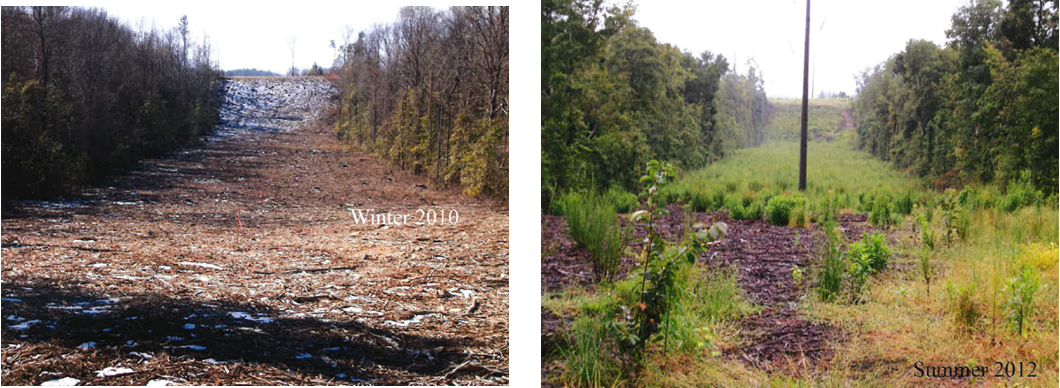
Presented by: Lauren Atteberry
Georgia Transmission Corporation (GTC) is an electric transmission cooperative that builds and maintains overhead high voltage transmission lines and substations. GTC builds approximately 30 miles of new transmission lines and 10 substations per year. These numbers are projected to more than double over the next several years. As such, GTC has a robust erosion and sediment control program to ensure compliance with the National Pollution Discharge Elimination System Stormwater Construction Permit that is managed by the State of Georgia. Since 2001, GTC has used “shredded” wood material generated from tree clearing activities to immediately stabilize transmission line rights of way. An added benefit to this practice is that it complements future ROW vegetation management maintenance programs which are required to prevent electrical outages due to conflicts with canopy tree species. A case study was conducted in 2012 to document the benefits of using this technique for both short term and long term stabilization of ROWs. The practice involves the shredding of wood material generated by project tree clearing that is then applied to areas where construction related land disturbance has occurred. This practice is only used on 0-33% slopes at a depth of 4-6 inches. Case study results indicate that shredded wood material provides immediate soil stabilization. The shredded wood material degrades in a mosaic pattern which extends protection from erosion and sedimentation as vegetation re-establishes over the following years. Other benefits of this practice include that it retains onsite topsoil, encourages re-establishment of vegetation that already naturally occurs in the area, eliminates wood waste from landfills, reduces frequency of ROW inspections and has reduced landowner complaints during construction.

Lauren Atteberry
Environmental Specialist, II
Georgia Transmission
Lauren is an environmental project manager with over 16 years of experience in environmental permitting, monitoring, data collection, analysis, and reporting. She efficiently coordinates multiple agencies and project stakeholders to ensure environmental compliance, work plan development, and program implementation for linear construction projects. In her role with GTC, she is responsible for developing project environmental compliance requirements, bid packages for clearing contracts, NPDES program implementation, and construction access plan development.
-
Register
- Non member - $40
- Professional member - $15
- Professional Plus member - Free!
- Professional Plus Org member - Free!
- Student member - $15
- Young Professional member - $15
- Emeritus member - $15
- Discounted Professional member - $15
- Australia Member - $15
- Australia Non-Member - $40
- More Information
-
Register
-
Contains 2 Component(s), Includes Credits Includes a Live Web Event on 2024/05/07 at 5:00 PM (MDT)
Increased rainfall intensity with climate change is being incorporated into design rainfalls and runoff guidelines which can be used for erosion and sediment management on construction sites. Erosion and sediment controls are beneficial for construction sites impacted by increases in high intensity rainfall events to meet legislative requirements and reduce the burden on sediment basins.
Evaluation of Erosion and Sediment Control Options Under Simulated High Intensity Rainfall
Wednesday, 8th May, 2024
Time: 9:00AM Australian Eastern Standard Time (AEST)
Duration: 1 hourTuesday, May 7, 2024
Time: 5:00PM Mountain Time
Duration: 1 Hour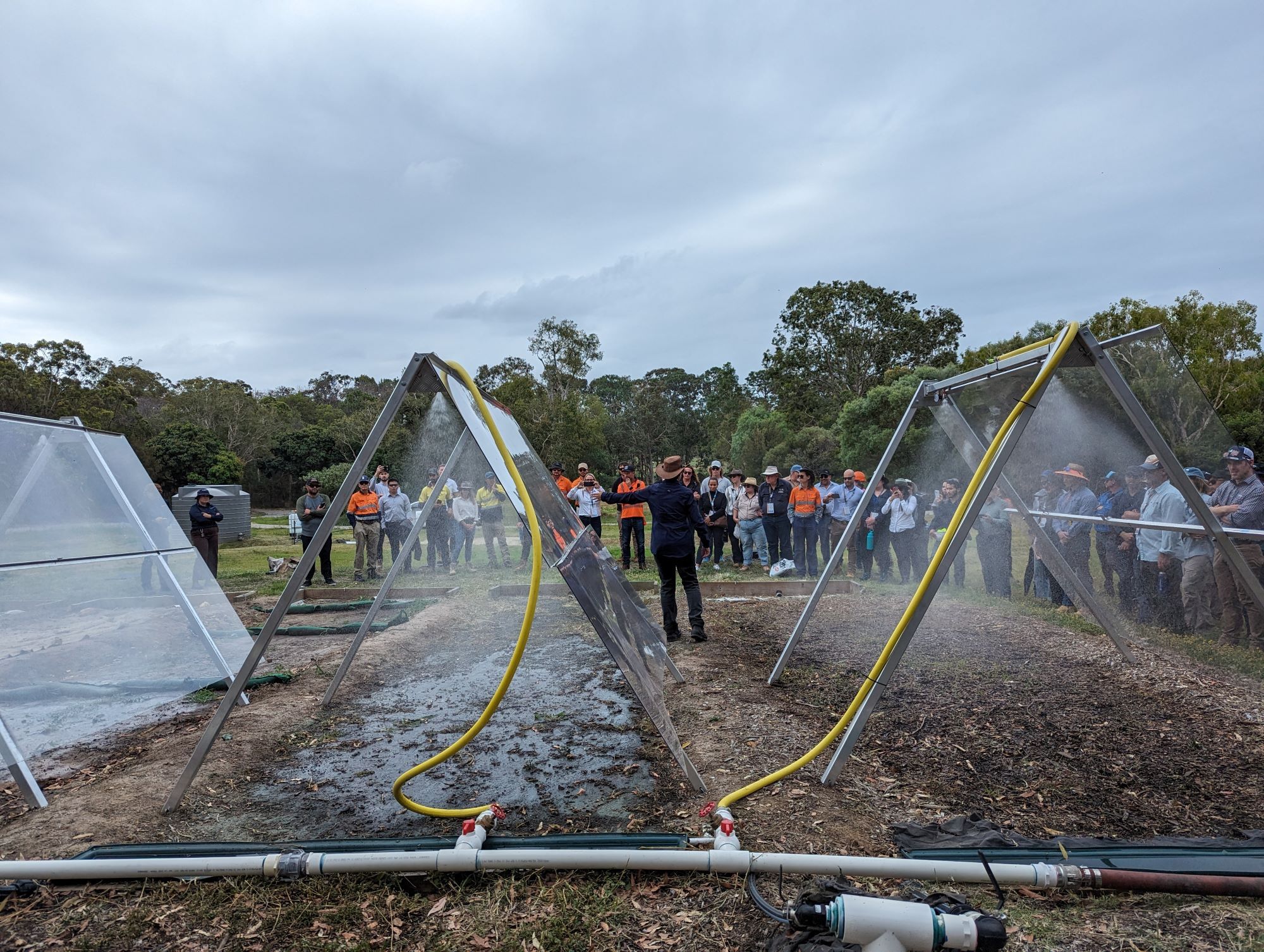
Presented by: Dr Luke Verstraten
In any effective Erosion and Sediment Control strategy, primary erosion control should be a key focus. Erosion and sediment controls are beneficial for construction sites impacted by increases in high intensity rainfall events to reduce the burden on sediment basins. It is becoming common practice to increase design rainfall intensities to account for climate change making a focus on erosion control even more crucial. Substantial improvements to water quality can be achieved with erosion and sediment controls, with some erosion controls limiting TSS concentrations to well below the requirements of legislation under simulated high-intensity rainfall conditions. Effective erosion control methods help construction site policy makers, designers and erosion control professionals achieve the objectives for site compliance. By gaining an understanding of which erosion controls are effective in preventing sediment runoff, land users across various industries will be better equipped to effectively manage their sites and prevent sediment-laden water entering our waterways.

Luke Verstraten
Lecturer in Environmental Science and Engineering
University of the Sunshine Coast
Dr Luke Verstraten is a Lecturer in Environmental Science and Engineering, with a research focus on reducing the risk of flooding as well as the negative downstream effects of pollutants entrained in stormwater from construction sites and urban developments, both under current conditions and consideration of the impacts of climate change and urbanisation.
-
Register
- Non member - $40
- Professional member - $15
- Professional Plus member - Free!
- Professional Plus Org member - Free!
- Student member - $15
- Young Professional member - $15
- Emeritus member - $15
- Discounted Professional member - $15
- Australia Member - $15
- Australia Non-Member - $40
- More Information
-
Register
-
Contains 2 Component(s), Includes Credits Recorded On: 2024/04/23
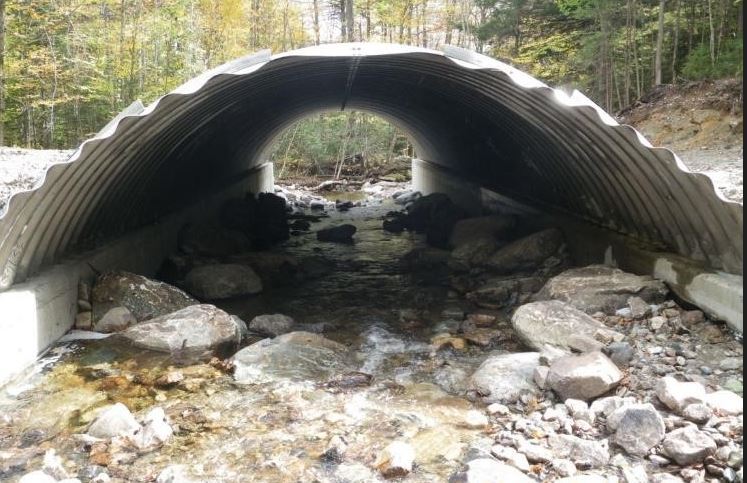
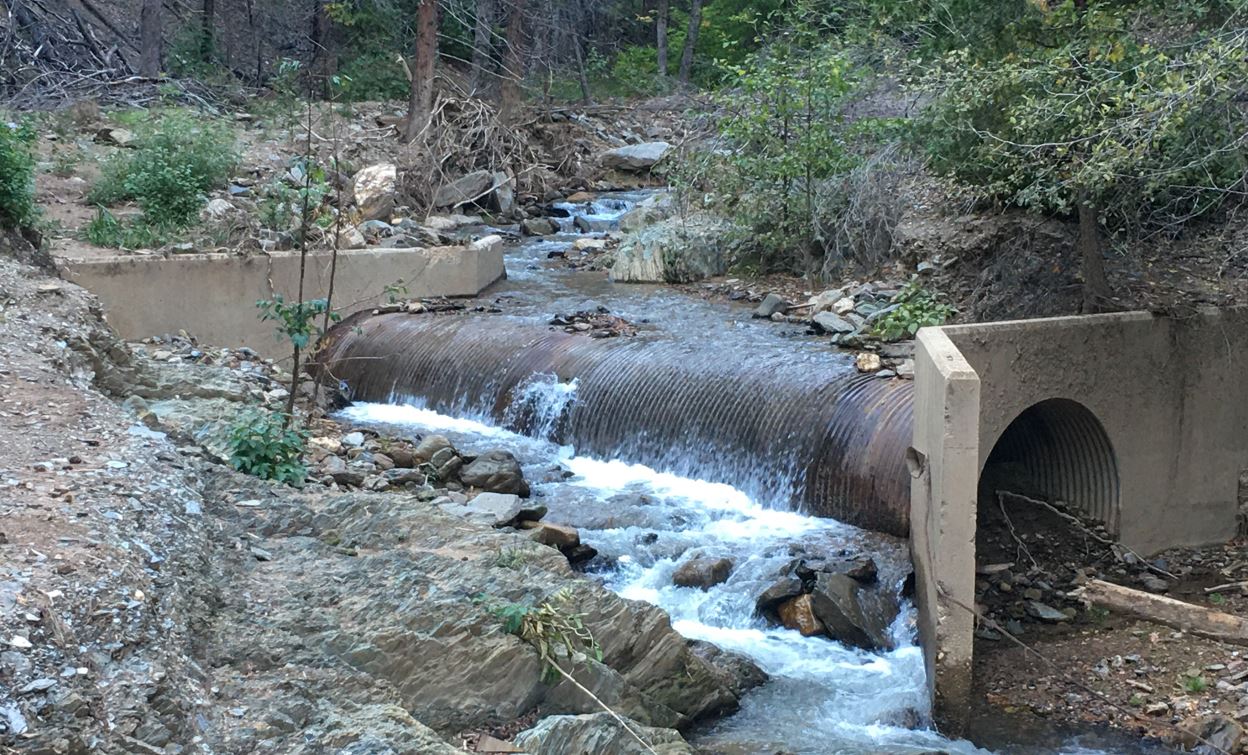
This webinar will present many of the practical and cost-effective climate resilient measures that can be implemented for roads to adapt to climate change. Emphasis is given to needed drainage and road-stream crossings measures useful to reduce the risk of storm damage.
Climate Resilient Measures for Roads and Other Infrastructure
On Demand
Presented by: Gordon Keller, PE, GE & Mark Weinhold, PE
Billions of dollars in damage have been sustained and many lives lost from climate-related storms and fires in recent years. The objective of this webinar is to present some of the road and infrastructure measures that can reasonably be implemented to reduce the vulnerability or likelihood of damage from
natural disasters. Current road maintenance and attention to thorough drainage detail are critical to avoid concentration of water on roads and prevent damage. Properly designed culverts with conservative capacity and measures to prevent plugging or stream diversion are needed. Stream simulation designed culverts that match natural channel characteristics offer resilience against storms. Various slope stabilization and erosion control measures can be particularly useful to add resilience to roads and prevent landslides, debris flows, and other types of storm damage.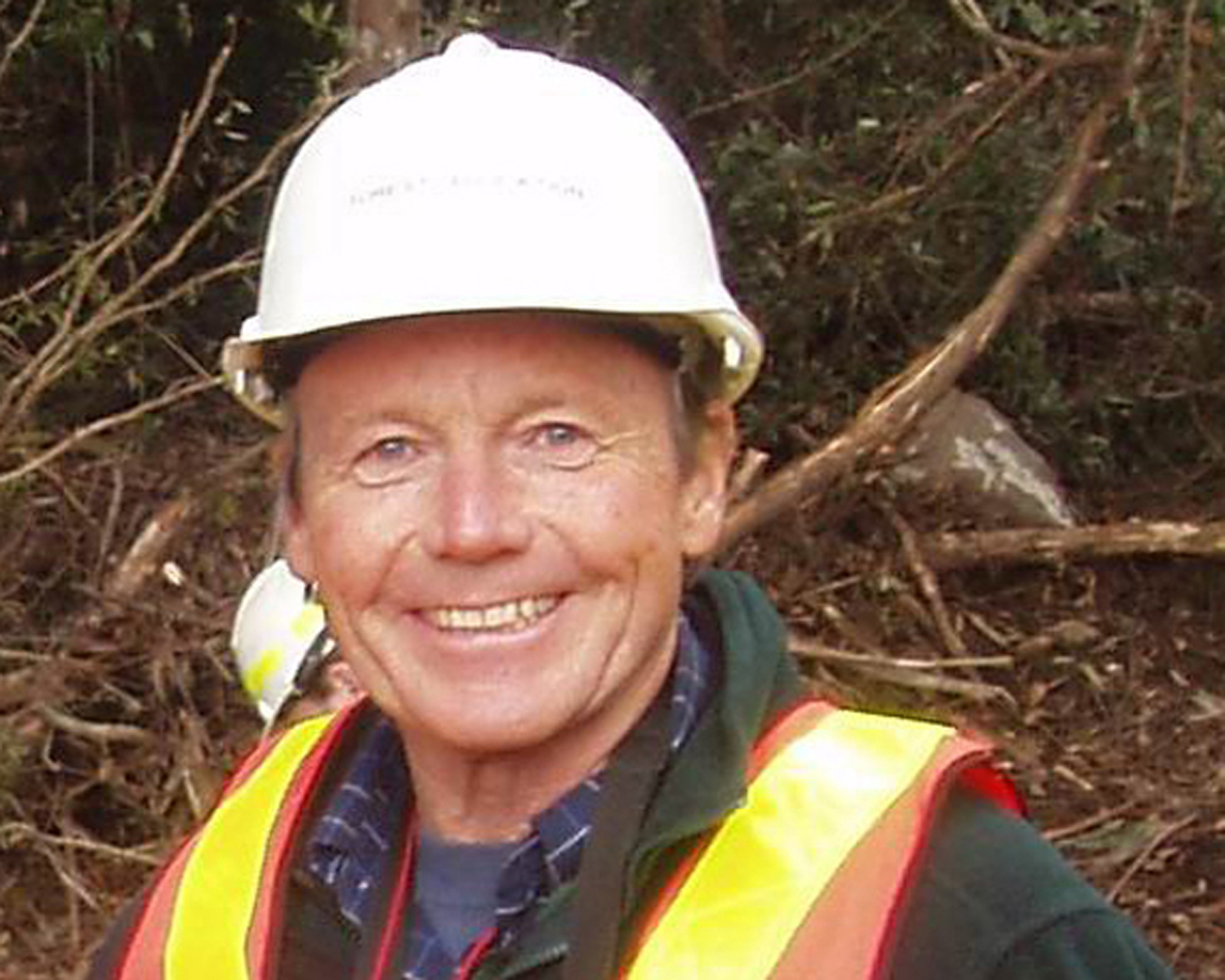
Gordon Keller, PE, GE Geotechnical Engineer
Geotechnical Engineer
GENESEE GEOTECHNICAL
Mr. Keller is a licensed Civil and Geotechnical Engineer in California, with over 50 years of project experience with low-volume roads, bridges, drainage, and materials. He is a consultant involved in international roads training on rural road design and best management practices, storm damage repairs, and environmental impact mitigation. Recent work has focused on methods to help reduce the vulnerability of roads infrastructure to the impacts of floods, intense storms, and fires.
Mark Weinhold, PE, Hydraulic Engineer
Hydrology/Hydraulic Engineering
USDA Forest Service
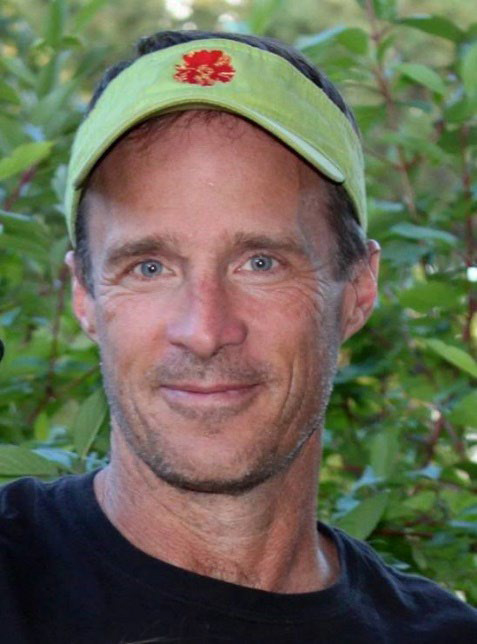
Mr Weinhold is a licensed Civil and Hydraulic Engineer working with the US Forest Service National Stream and Aquatic Ecology Center team. He is a senior engineer involved in the assessment, design, and repair of road-stream crossings and the implementation of stream simulation structures for aquatic organism passage as well as climate resilience. He has many years of international experience working with watershed management, roads, and drainage infrastructure.
-
Register
- Non member - $40
- Professional member - $15
- Professional Plus member - Free!
- Professional Plus Org member - Free!
- Student member - $15
- Young Professional member - $15
- Emeritus member - $15
- Discounted Professional member - $15
- Australia Member - $15
- Australia Non-Member - $40
- More Information
-
Register
-
Contains 6 Component(s), Includes Credits Recorded On: 2024/01/31

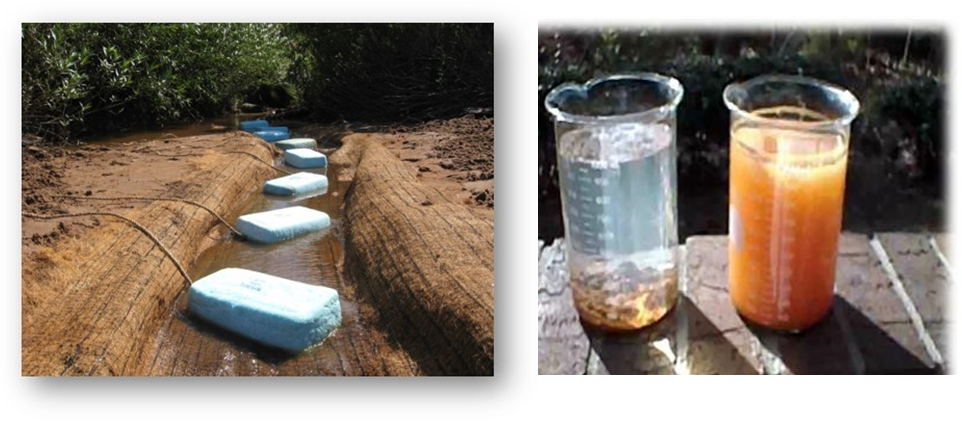
Flocculants are powerful tools that have been used for decades to control erosion, stabilize soil, and remove harmful contaminants from water. Flocculant treatments can meet very low discharge limits, allowing sites to stay in compliance, meet regulations and improve stormwater quality and clarity. Applied Polymer Systems introduced flocculants to the erosion and stormwater industries in the 1990s, drawing from decades of research and use in mining effluent treatment. Anionic polyacrylamide is the most widely accepted and commonly used flocculant due to being both safe for aquatic life, and highly effective.
[On Demand] LET'S TALK FLOC: Three Part Series
A flocculant webinar from the company that brought
flocculant (Floc) Logs and Polymer Enhanced BMPs to the industrySeries Presenters: Seva Bray, Vice President; Kyla Wood, Head of Research and Development & Eddie Snell, Technical Specialist - Applied Polymer Systems
Flocculants are powerful tools that have been used for decades to control erosion, stabilize soil, and remove harmful contaminants from water. Flocculant treatments can meet very low discharge limits, allowing sites to stay in compliance, meet regulations and improve stormwater quality and clarity. Applied Polymer Systems introduced flocculants to the erosion and stormwater industries in the 1990s, drawing from decades of research and use in mining effluent treatment. Anionic polyacrylamide is the most widely accepted and commonly used flocculant due to being both safe for aquatic life, and highly effective.
PAM use is rapidly expanding across the US and world thanks to its safety for environmental applications and effectiveness at targeting and removing difficult and common pollutants like clay, sediments, and metals. In our Let’s Talk Floc Part 1 webinar we detailed the movement and growth of PAM use for erosion and sediment control from its introduction in the 1990s to its widespread and growing adoption in the US today. We also spoke about the important factors that influence how we use flocculants safely and effectively. In Let’s Talk Floc Part 2, we will build on this important information and focus on case studies and examples of how PAMs were, and currently are being utilized to successfully manage erosion, sediment, metals, and stormwater on multiple projects across the United States and Canada. Join Applied Polymer Systems, the company who brought flocculant technologies to this industry 25 years ago, in the second part of our two series Let’s Talk Floc webinar, as we cover how to effectively, safely, and efficiently use flocculants in the field to meet stormwater and erosion and sediment control goals and requirements.
Thanks to years of education and concerted effort by universities, companies, and organizations like the IECA, flocculant use has evolved from sparse use of what many deemed mysterious “fairy dust”, to widespread adoption and a push towards standardized flocculant training, use and application. With many states recently adopting, preparing to adopt, or considering adopting anionic polyacrylamide into their toolboxes (i.e. pre-approved flocculant lists, QPLs/APLS, or erosion control and stormwater manuals) interest in flocculants and demand for training and information has reached levels never seen before in our industry. Despite expanded use and interest, confusion and questions still exist, and education is needed to ensure flocculants are used safely and effectively. Join Applied Polymer Systems, the company who brought flocculant technologies to this industry 25 years ago, as we cover how to effectively, safely, and efficiently use flocculants to enhance traditional best management practices to meet stormwater and erosion and sediment control goals and requirements.
In the first parts of our Let’s Talk Floc webinar series we provided participants a foundation on how to select safe and effective flocculants and polyacrylamides and introduced their many uses for improving erosion and sediment control and stormwater quality. In the second part of this series we built on this information and focused on completed projects including robust dewatering and mainstream theme park applications to provide examples of how PAMs were, and currently are being utilized to successfully manage erosion, sediment, and water clarification. In our third and final Let’s Talk Floc Webinar we will use this foundation and apply the acquired skills and knowledge to work through projects that have a need for flocculant use from start to finish. Participants who have not yet had the opportunity to view Let’s Talk Floc 1 or 2, but have a basic understanding of how polymer flocculants work, and their various E&SC and stormwater applications can still benefit from this upcoming presentation and learn the process of proper flocculant planning and use. This interactive webinar will use example sites and give an opportunity for participant participation to work through the flocculant process including planning, regulations, sampling for product matching and selection, application, troubleshooting, maintenance, and disposal.
Part One Learning Objectives:
- Understanding the basics of flocculant technologies and how to select safe and effective flocculants for treatment systems
- Understand what anionic polyacrylamide is, how it works, and why it is the standard flocculant used for erosion and sediment control and stormwater treatment in the industry
- Gain a basic knowledge and understanding of the steps needed to apply, maintain, and troubleshoot flocculants in field applications
- Recognize how traditional BMPs may be enhanced using anionic PAM to improve sediment control and water treatment
Part Two Learning Objectives:
- Review how to select appropriate flocculants for projects based on specific project goals and site characteristics.
- Learn components needed to plan and implement effective PAM treatments for Erosion and Sediment Control and Stormwater Management.
- Understand common management and use requirements for PAM applications through real world examples and case studies of PAM treatments.
Sponsored By:
Hosted By:

Seva Iwinski Bray
Vice President
Applied Polymer Systems
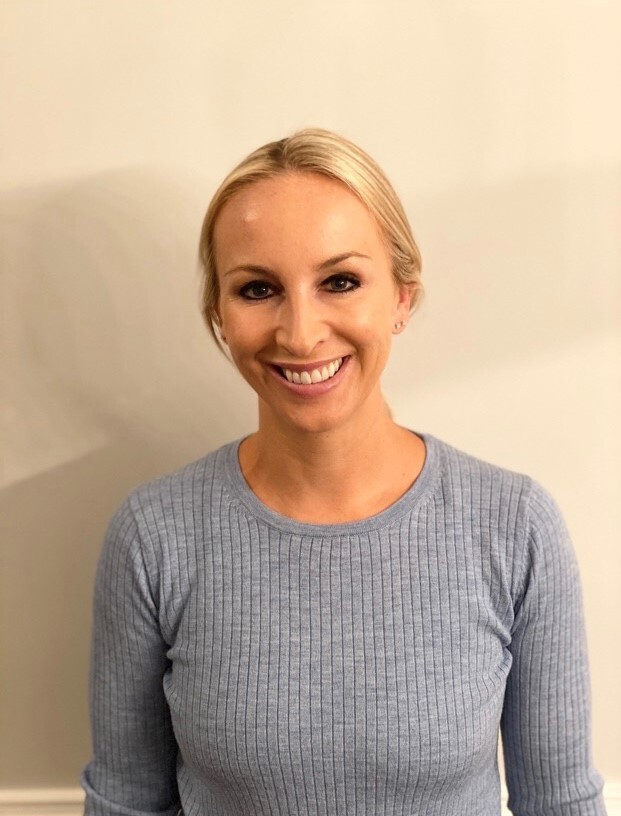
Seva Iwinski Bray is an environmental scientist, Vice President of Applied Polymer Systems, and a co-founder of IY Progen Systems. She has over 15 years of experience in erosion and sediment control and stormwater management utilizing flocculant treatments. She holds a BS in Bioenvironmental Science from Texas A&M University. Her most common industry roles include technical training to educate companies, agencies, engineers, and other industry professionals on flocculant treatments that are safe for use in the open environment as well as assisting in continual research and advancements for polymers in E&SC and water clarification.
Eddie Snell
Technical Specialist
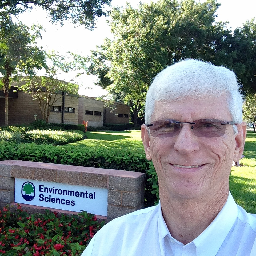
Eddie Snell works for Applied Polymer Systems, Inc. and has over 40 years of experience working in the watershed protection, erosion, sediment control, and stormwater industries. Prior to working for Applied Polymer Systems, Inc, Eddie worked for the Walt Disney World Company and the Reedy Creek Improvement District (local government) in the environmental management and watershed programs division. He holds a four-year degree in environmental science. His passion in life is the immediate and future protection of water resources.

Kyla J. Iwinski-Wood, PhD
VP Research and Development
Applied Polymer Systems, Inc.
Kyla Iwinski-Wood is an environmental toxicologist with a passion for clean water and applying science to find real world solutions. She works for Applied Polymer Systems where her primary roles are researching new or improved polymer uses and technologies as well as assisting with technical training, support, and presentations. She worked as a consultant for APS beginning in 2007 until accepting a permanent position as head of Research and Development in 2016. She holds a PhD from Clemson University where her doctoral work focused on water resource management and ecotoxicology. She also has a master’s degree in biology from Northern Michigan University where she investigated the feasibility of polyacrylamide for removing nuisance and toxic algae from freshwater.
Each webinar in this series is worth One (1) Professional Development Hour. A total of Two (2) Professional Development Hours are available in this series.
-
Register
- Non member - Free!
- Professional member - Free!
- Professional Plus member - Free!
- Professional Plus Org member - Free!
- Student member - Free!
- Young Professional member - Free!
- Emeritus member - Free!
- Discounted Professional member - Free!
- Australia Member - Free!
- Australia Non-Member - Free!
- More Information
-
Contains 2 Component(s), Includes Credits
This webinar will celebrate and showcase the Australasian Chapter's Environmental Excellence Award winners for 2023. Bruce Highway, Cairns Southern Access Corridor (Stage 3) - Edmonton to Gordonvale Project (E2G) - AND - NIWA Weather Forecasting – A New Zealand First in the Construction Industry.
IECA Australasia Chapter's Environmental Excellence Award Winners for 2023
On-Demand
PDH Credits: 1Bruce Highway, Cairns Southern Access Corridor (Stage 3) - Edmonton to Gordonvale Project (E2G)
Presented by: Andrew Kindness
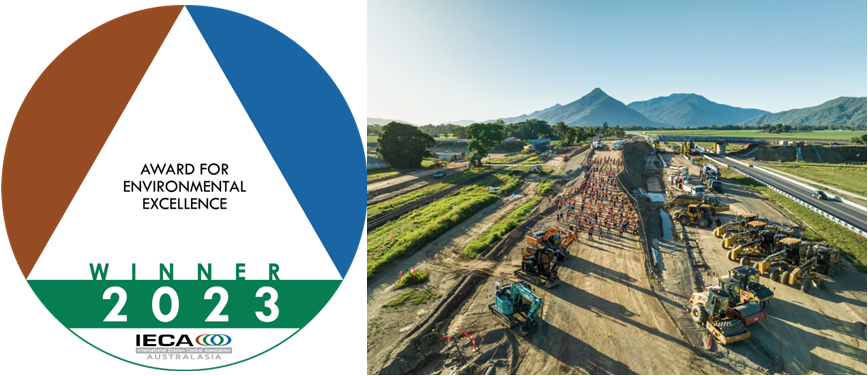
The Bruce Highway, Cairns Southern Access Corridor (Stage 3) - Edmonton to Gordonvale Project (E2G) is located south of Cairns in Far North Queensland.
It marks a significant advancement in infrastructure, focusing on the duplication of a 10.5 kilometre stretch of the Bruce Highway and realignment and upgrade of 4.7 kilometres of the Queensland Rail North Coast Line. Accompanying these primary objectives is the construction of new local roads, pedestrian and rail bridges.
Situated in a floodplain region, E2G contended with a unique set of environmental challenges - from constructing multiple bridges and managing tropical soils to grappling with unpredictable weather.
E2G's unique approach to implementing innovative solutions for environmental management, while weathering three tropical wet seasons and two tropical cyclones, without diminishing their commitment to erosion and sediment control performance will be discussed in this presentation. Hear how they adopted innovative technologies, utilising drones for site mapping and erosion and sediment control evaluations, initiated trials for new erosion and sediment control products, and championed strategies that intertwined sustainability goals with erosion and sediment control planning.
NIWA Weather Forecasting – A New Zealand First in the Construction Industry
Presented by: Stephanie Kirk
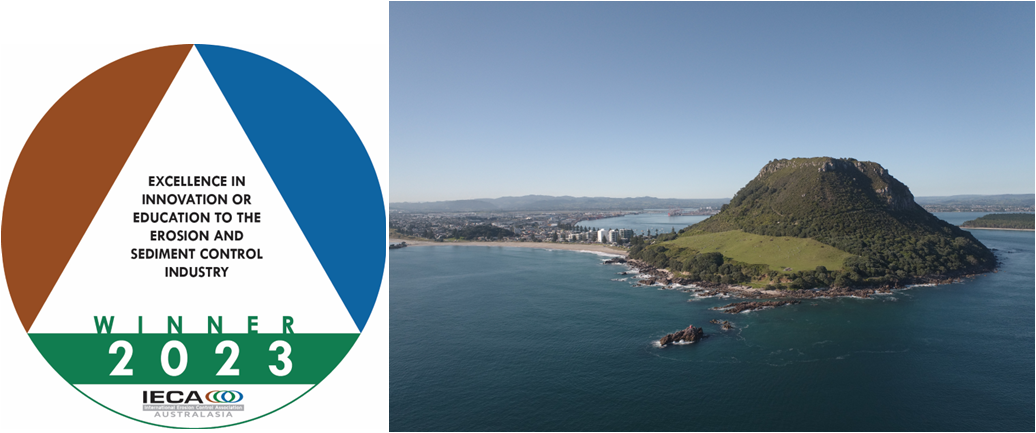
Everything we do in the erosion and sediment control space is driven by the weather. Is it going to rain today, will that cyclone really end up hitting our site, do we need to install additional measures to help prepare? We focus on continually improving erosion and sediment control device design, investing in the latest water quality technology, applying chemical flocculants, and many more. When the weather governs so much of our world, why are most contractors not going above and beyond to invest in quality weather forecasting software?
This presentation will compare the accuracy of publicly available weather forecasting sites when compared with a top-tier weather forecasting provider and how investing in quality forecasting software can help your site save time and money and help you prepare more accurately for weather events.
Stephanie E. Kirk
Environmental Manager - Takitimu North Link
HEB Construction
Stephanie Kirk works for one of New Zealand's top contractors - HEB Construction. Recently becoming a fully accredited CPESC, she is currently acting as the Environmental Manager for the Takitimu North Link roading project which has over 3 million m3 of earthworks.
Prior to Takitimu, Stephanie spent the last two years looking after the environmental management for construction of Turitea Windfarm and four years as Environmental Advisor on the Hamilton Section of the Waikato Expressway. She has also spent time as a council compliance officer working throughout New Zealand. This has given her a well rounded understanding of erosion and sediment control from the contractor, client and council perspective.
Andrew Kindness
HSA Group (John Holland, Seymour Whyte, Aecom)
Andrew Kindness is a skilled Sustainability and Environmental Advisor with a strong background in Environmental Sustainability and diverse experience in infrastructure construction. His experience spans projects such as the Sydney Metro TSE Mega Project, Blue Mountains Heritage Station Upgrades, and the E2G project in Cairns. As a member of IECA and a CPESC, Andrew has a keen interest in the erosion and sediment control discipline. Currently, he leads sustainability outcomes for the Cairns Southern Access Corridor Stage 3: Edmonton to Gordonvale (E2G) Project in Cairns while also supporting the team in managing erosion and sediment control using best practices. His dedication to innovation and knowledge-sharing has positioned him as a valued professional in the field of sustainability and environmental management.
-
Register
- Non member - $40
- Professional member - $15
- Professional Plus member - Free!
- Professional Plus Org member - Free!
- Student member - $15
- Young Professional member - $15
- Emeritus member - $15
- Discounted Professional member - $15
- Australia Member - $15
- Australia Non-Member - $40
- More Information
-
Register
-
Contains 2 Component(s), Includes Credits Recorded On: 2023/12/13
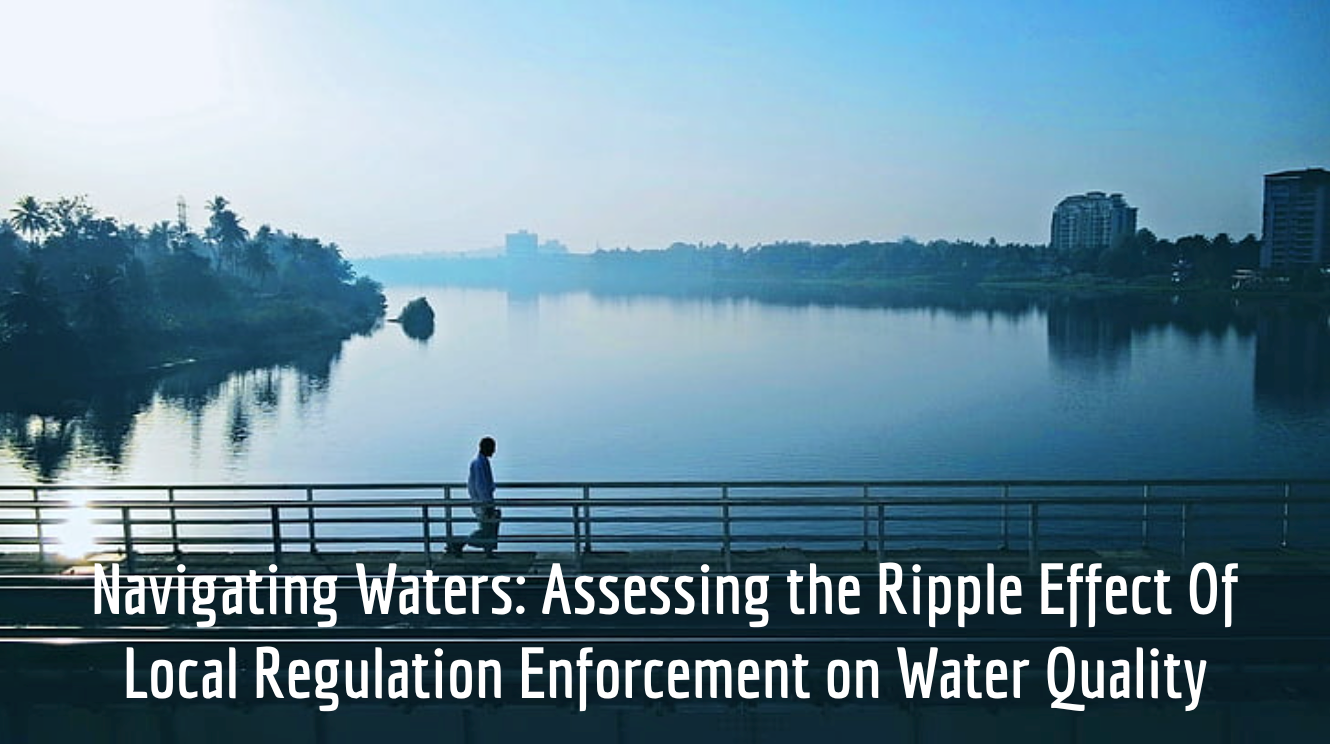
Regulation without enforcement is an issue in all areas of law. We will explore the water quality effects of enforcement. using relavant case studies from both the state and local level.
ON-DEMAND
Duration: 1 HourPresented by: Joe Moore
Join us for an insightful webinar that delves into the intricate relationship between local regulation enforcement and its profound impact on water quality. As communities grapple with the challenges of preserving their water resources, understanding the dynamics of regulatory frameworks becomes paramount. The information presented will focus on case studies and lessons from the field that analyze real-world examples of communities successfully implementing and enforcing water quality regulations.

Joe Moore
SiltWorm
As an avid outdoorsman with a strong belief in the Clean Water Clean World initiative, I actively contribute to preserving waterways while indulging in my love for outdoor activities. Whether casting a line for fishing, perfecting my archery skills, or coaching CYO girls' basketball, I blend my enthusiasm for nature with a commitment to sustainability through my professional life and the companies I’ve founded.
-
Register
- Non member - $40
- Professional member - $15
- Professional Plus member - Free!
- Professional Plus Org member - Free!
- Student member - $15
- Young Professional member - $15
- Emeritus member - $15
- Discounted Professional member - $15
- Australia Member - $15
- Australia Non-Member - $40
- More Information
-
Register
-
Contains 2 Component(s), Includes Credits Recorded On: 2023/12/13
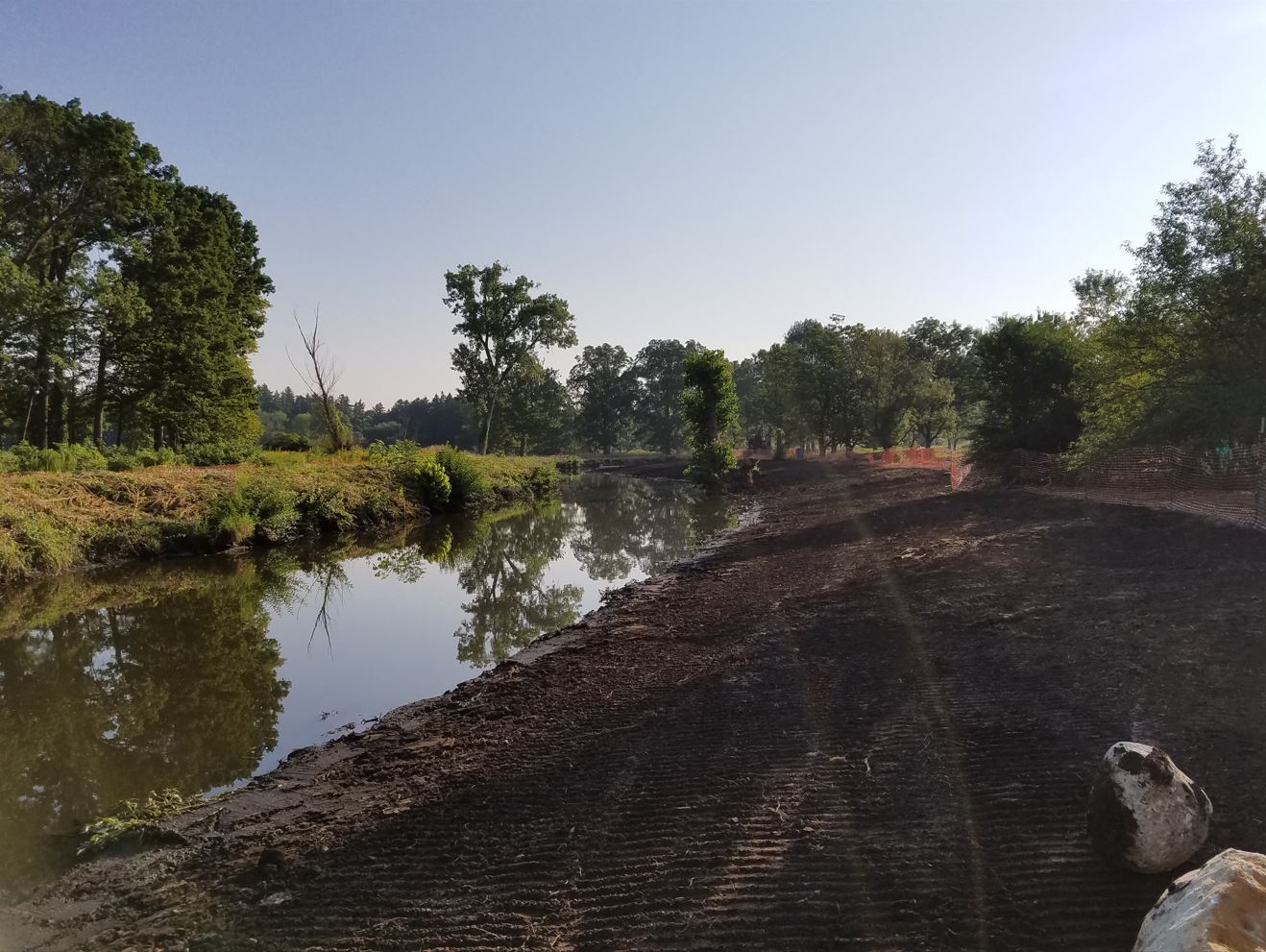
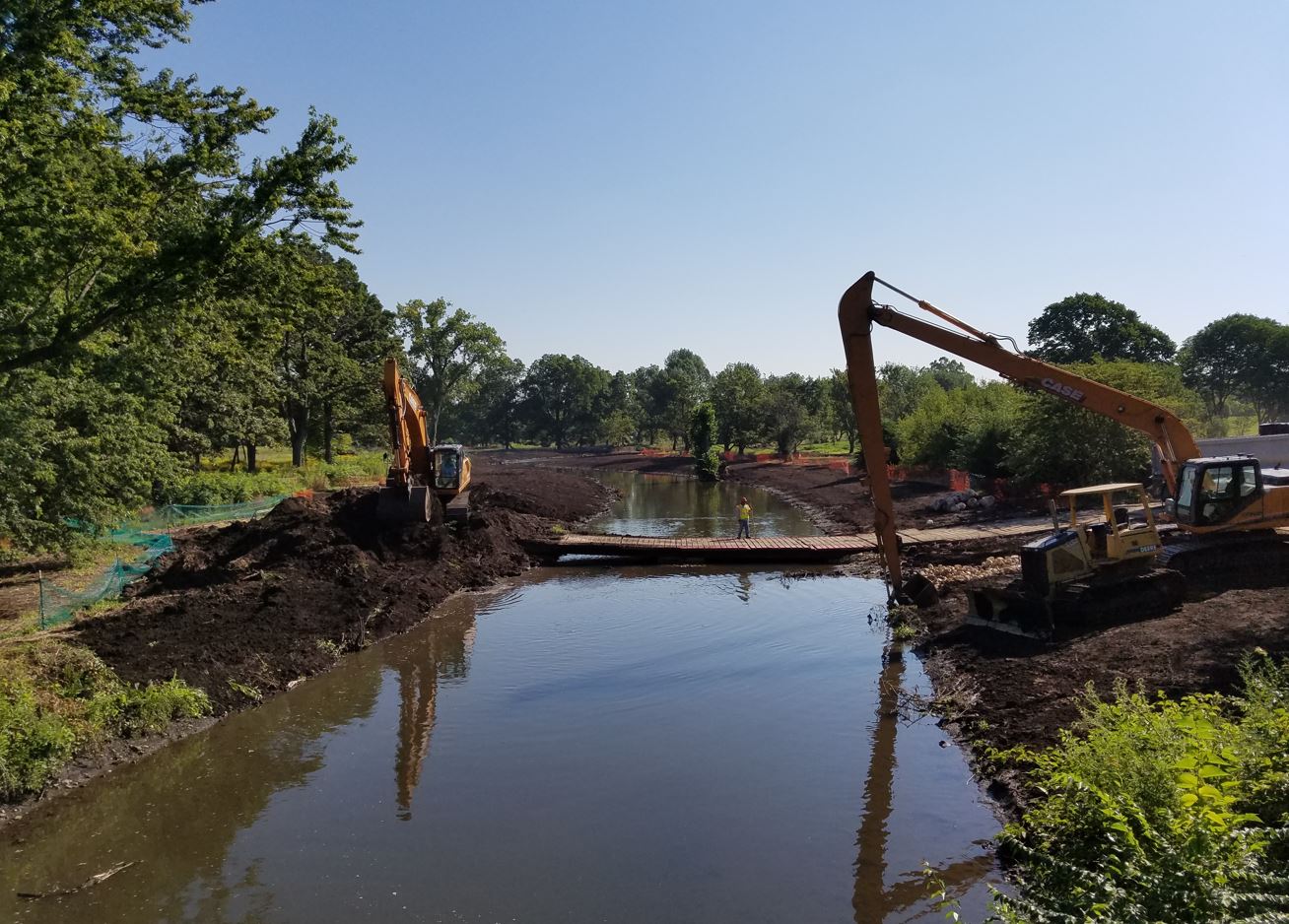
This webinar will examine the basic principles of stream erosion and the various practices that are utilized to address and repair stream bank and bed erosion in the upper Midwest.
Restoration of Streams in the Midwest
On-Demand
Duration: 1 HourPresented by: Jonathan Koepke, CPESC
Streambank and bed erosion is a significant issue, especially in urban and urbanizing areas where property, infrastructure, and habitat can be lost. These issues require specialized knowledge and techniques to effectively solve in a sustainable manner. This presentation will review the various types of erosion that occur in urban streams and the different practices and products utilized to address them, including why certain practices fail where others succeed. The importance of site evaluation, geomorphic processes, knowledge of hydraulic forces, and limitations of various technologies and practices will be a focus of the presentation.
Jonathan Koepke
President
Jonathan Koepke, CEPSC, LEED-AP is the Vice President and General Manager for ENCAP, Inc. in DeKalb, IL. Jonathan is a three time graduate of Northern Illinois University where he completed both his Bachelors and Masters degrees and holds a Masters in Business Administration. He is also the current President of the Great Lakes Chapter of the International Erosion Control Association and currently serves as a member of the Board of Directors of the IECA as Treasurer.

Ryan Alltop (Moderator)
Encap Inc.
-
Register
- Non member - $40
- Professional member - $15
- Professional Plus member - Free!
- Professional Plus Org member - Free!
- Student member - $15
- Young Professional member - $15
- Emeritus member - $15
- Discounted Professional member - $15
- Australia Member - $15
- Australia Non-Member - $40
- More Information
-
Register
-
Contains 2 Component(s), Includes Credits
Members Only Benefit: IECA offers 1 PDH credit for members that complete the Environmental Connection Magazine Content Quiz.
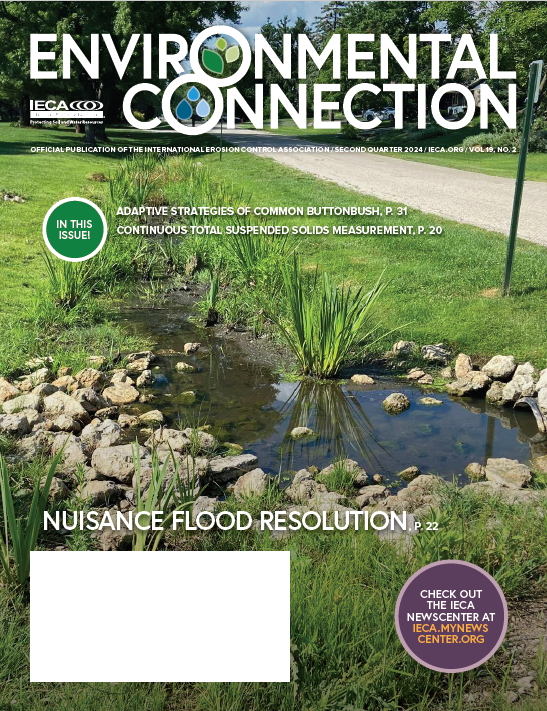
IECA members have the opportunity to earn one (1) Professional Development Hour per Environmental Connection Magazine (4 per year) by completing the quarterly Environmental Connection Magazine Quiz. You're already reading Environmental Connection, so why not get the extra credits? For a digital copy of the current issue, please visit: http://www.ieca.org/archives
This quiz is for the 2nd Quarter 2024 edition. Once you have read the entire magazine, complete the quiz with 70% or better to receive your credit.
At the completion of this quiz you will receive 1 Professional Development Hour of credit. For any questions on continuing education credit, please contact IECA Education at education@ieca.org
-
Register
- Professional member - Free!
- Professional Plus member - Free!
- Professional Plus Org member - Free!
- Student member - Free!
- Young Professional member - Free!
- Emeritus member - Free!
- Discounted Professional member - Free!
- Australia Member - Free!
- More Information
-
Register
-
Contains 2 Component(s), Includes Credits
Members Only Benefit: IECA offers 1 PDH credit for members that complete the Environmental Connection Magazine Content Quiz.
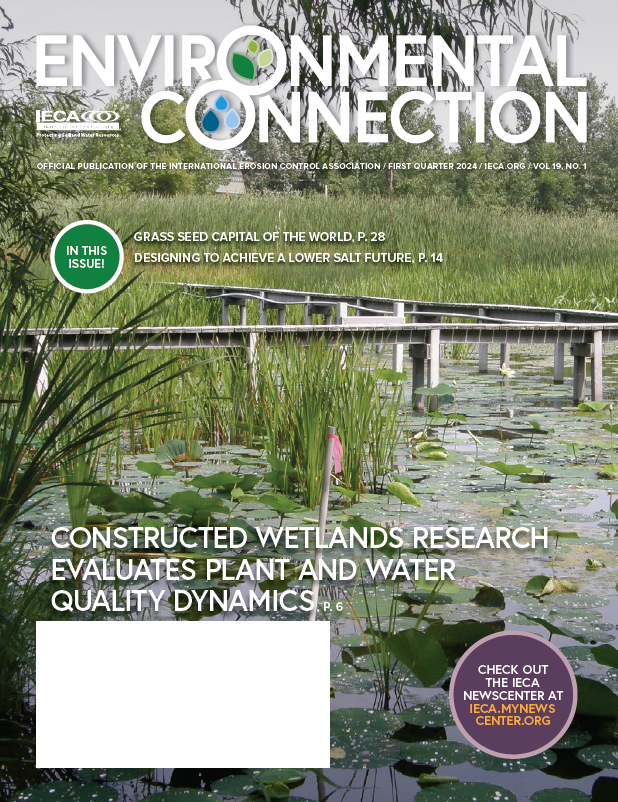
IECA members have the opportunity to earn one (1) Professional Development Hour per Environmental Connection Magazine (4 per year) by completing the quarterly Environmental Connection Magazine Quiz. You're already reading Environmental Connection, so why not get the extra credits? For a digital copy of the current issue, please visit: http://www.ieca.org/archives
This quiz is for the 1st Quarter 2024 edition. Once you have read the entire magazine, complete the quiz with 70% or better to receive your credit.
At the completion of this quiz you will receive 1 Professional Development Hour of credit. For any questions on continuing education credit, please contact IECA Education at education@ieca.org
-
Register
- Professional member - Free!
- Professional Plus member - Free!
- Professional Plus Org member - Free!
- Student member - Free!
- Young Professional member - Free!
- Emeritus member - Free!
- Discounted Professional member - Free!
- Australia Member - Free!
- More Information
-
Register